No.05
Rooms77
Walk6 min
Nobis Hotel Copenhagen
Six minutes east along Tivoli's edge — quieter, smaller, thick 1903 walls.
Open entry 05Tietgensgade 35–39, 1704 Copenhagen V · Landmark conversion · 390 rooms · Building 1912, hotel 2020
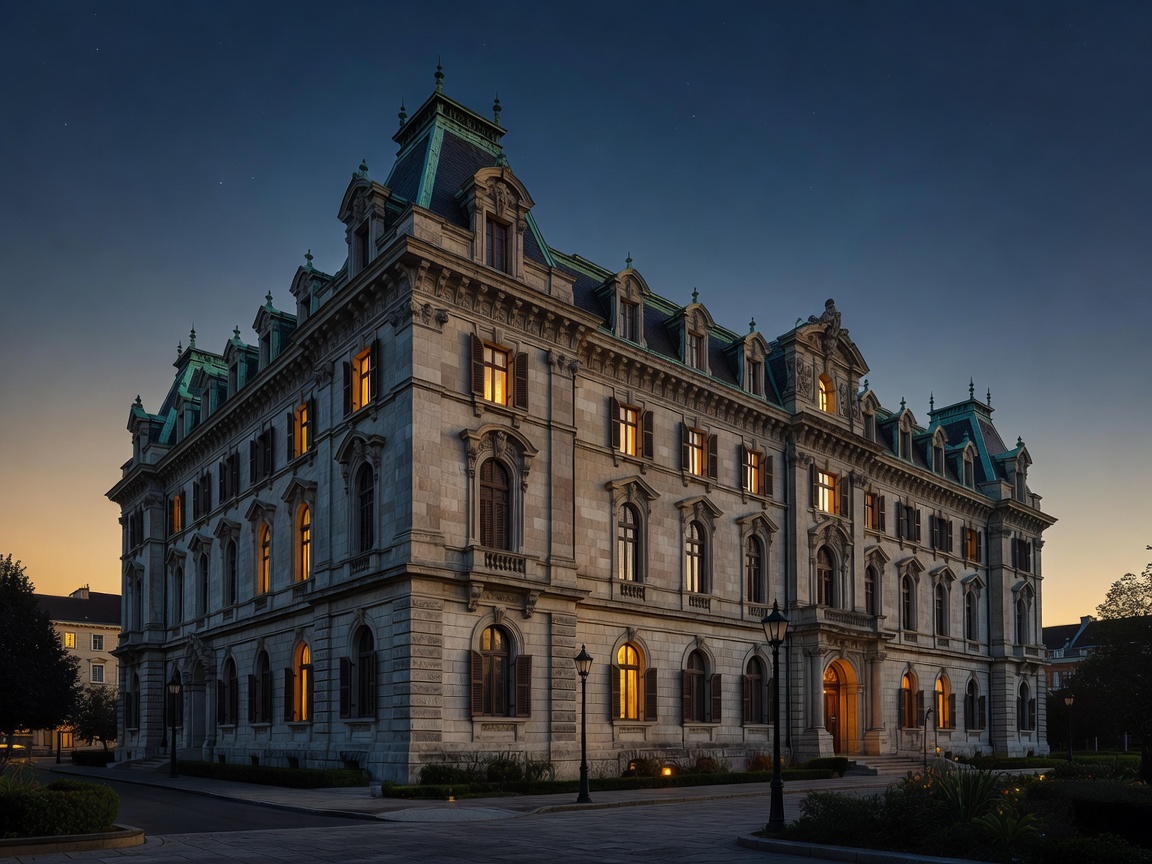
For most of the twentieth century this was where Denmark's letters and telegrams were sorted. The Central Post & Telegraph Building, finished in 1912, is a vast granite-and-brick civic block wedged between Copenhagen Central Station, Tivoli Gardens and the start of Vesterbro. It has monumental staircases, vaulted halls, tiled corridors and windows the size of doorways. In 2020 it reopened as a 390-room hotel, and the conversion is the most interesting large-scale hospitality project in the city this century.
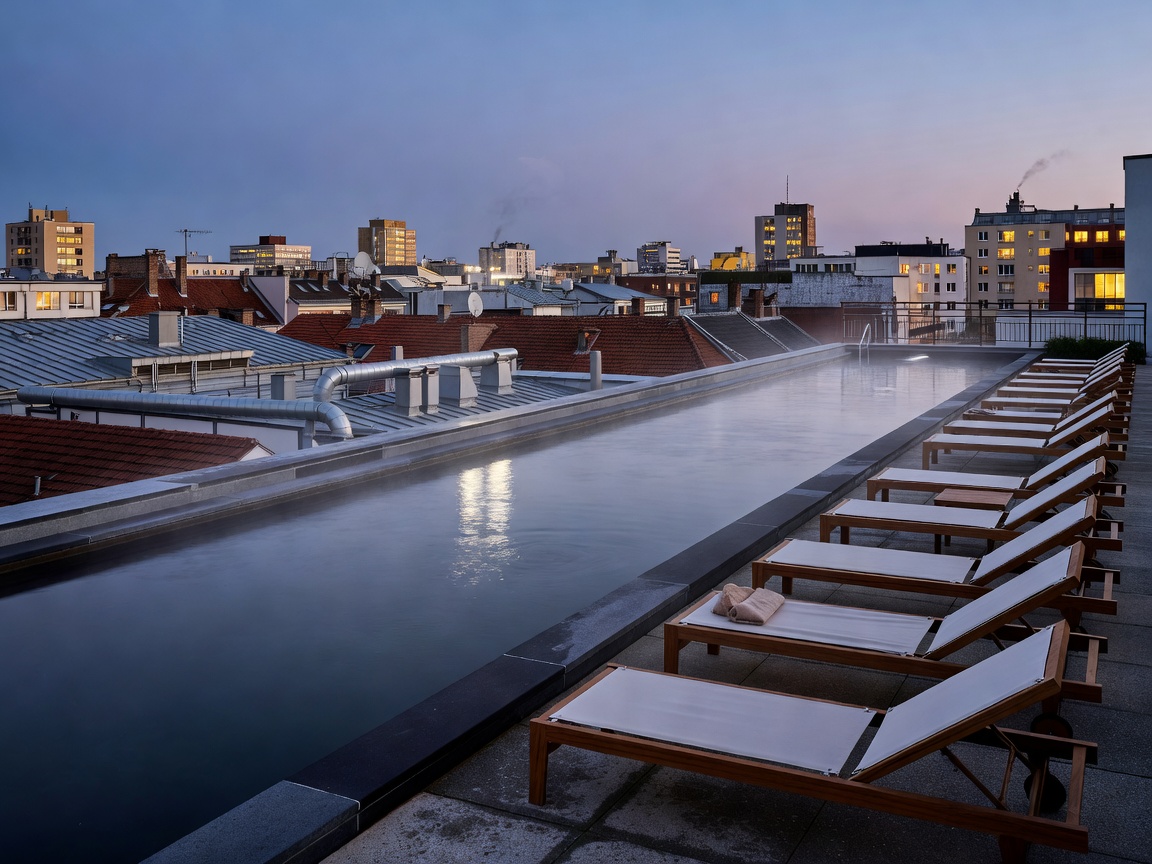
What makes Villa work is that it did not smooth the building out. The main hall still reads as a public room — there is a sense of walking through a station concourse that has been furnished. Around it sit oak, terrazzo, pale wool, potted greenery and a lot of daylight. Then, above, a courtyard and a heated twenty-five-metre rooftop pool, which is the single most enjoyable amenity in Copenhagen hospitality and is open year-round.
Tietgensgade runs along the southern flank of the station. That puts you three minutes from the Copenhagen Central Station platforms (airport trains, Malmö, Aarhus), four minutes from Tivoli's main gate, ten minutes from the City Hall Square, and directly at the head of Vesterbro — the district that gave the city Kødbyen's meatpacking bars and Istedgade's independent shops. The trade-off is that the immediate streets around a large European station are never the prettiest part of town; walk two blocks in any direction and that resolves itself.
390 keys across a huge footprint, in a range that genuinely accommodates different travellers:
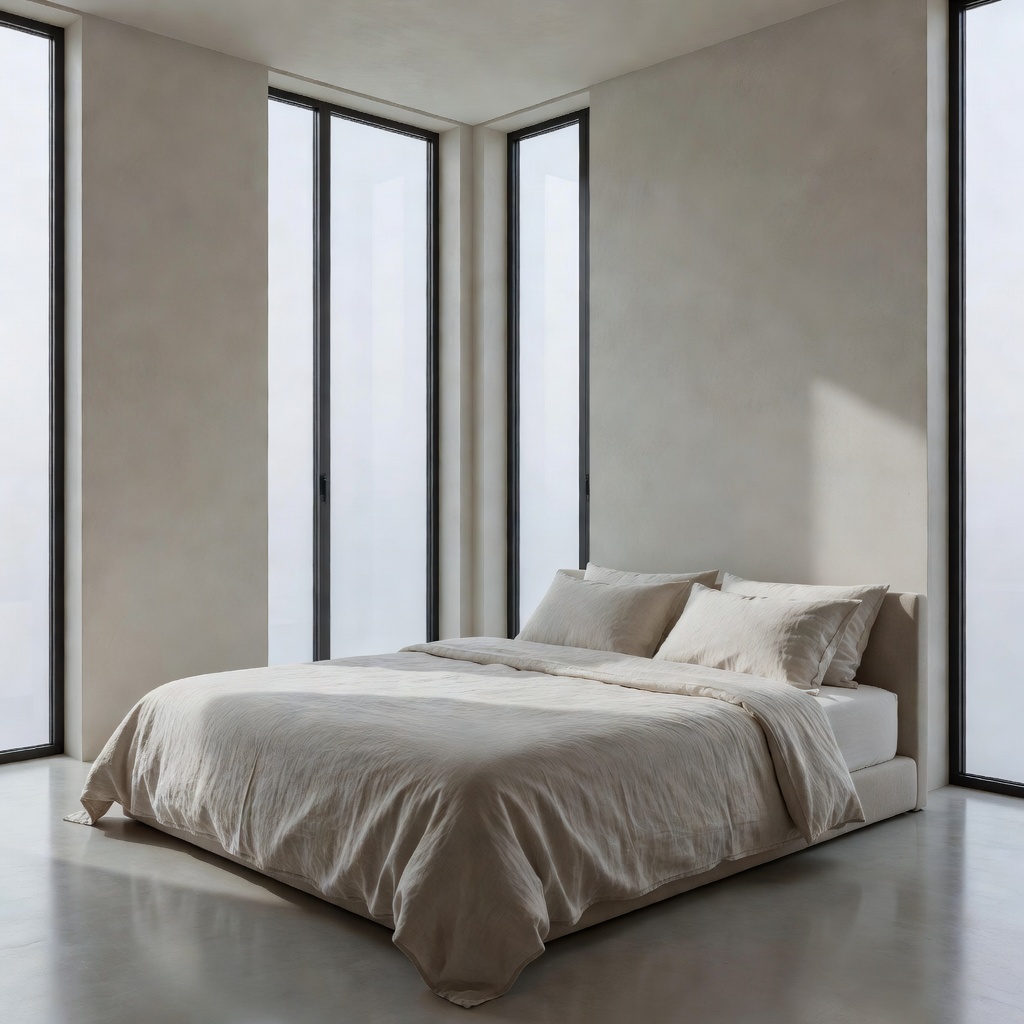
Interiors are Nordic but not cold: oak, brass, ceramic, muted greens and rusts, good bedside lighting and genuinely usable desks. Bathrooms are compact in the lower categories.
Twenty-five metres, heated with surplus energy from the building's systems, open all year and edged by a sun deck that fills the moment the Danish summer arrives. Access is for guests; there are usually lane-swimming hours in the morning and a more social atmosphere later. In peak summer the deck can get busy — go before 09:00 if you want the water to yourself.
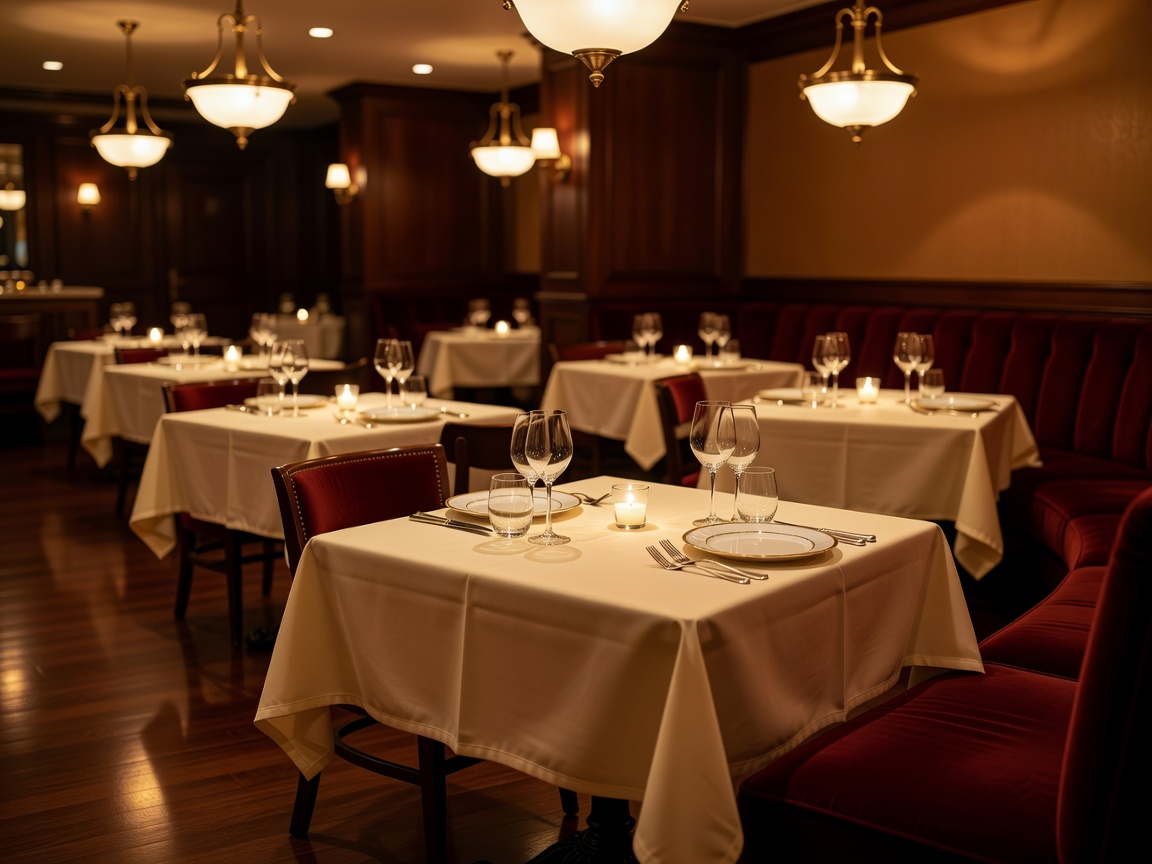
Kontrast is the principal restaurant, working with Nordic produce and a wood-fired kitchen in a high-ceilinged room off the main hall. Rug Bakery on the ground floor does sourdough, cardamom buns and coffee to the street from early morning — it is one of the few hotel bakeries locals queue at. There is also a lobby bar and, in the warmer months, a courtyard where the building's granite walls make an unexpectedly sheltered outdoor room.
Villa's environmental programme is operational rather than decorative: surplus heat is recovered to warm the pool, food waste is tracked and redistributed, the building itself is an adaptive reuse of an existing structure rather than a new build, and a share of revenue is directed to social projects. If you care about the carbon arithmetic of a hotel stay, this is the strongest answer on our list.
Low-season doubles from roughly DKK 1,700–2,100 (approx. €230–280); Deluxe categories DKK 2,400–3,200; suites from about DKK 5,500. Breakfast is usually an add-on and is large-scale but good. Prices spike hard during major congresses at Bella Center, which is a short Metro ride away — check the event calendar before you fix dates.
04
Six minutes east along Tivoli's edge — quieter, smaller, thick 1903 walls.
Open entry 05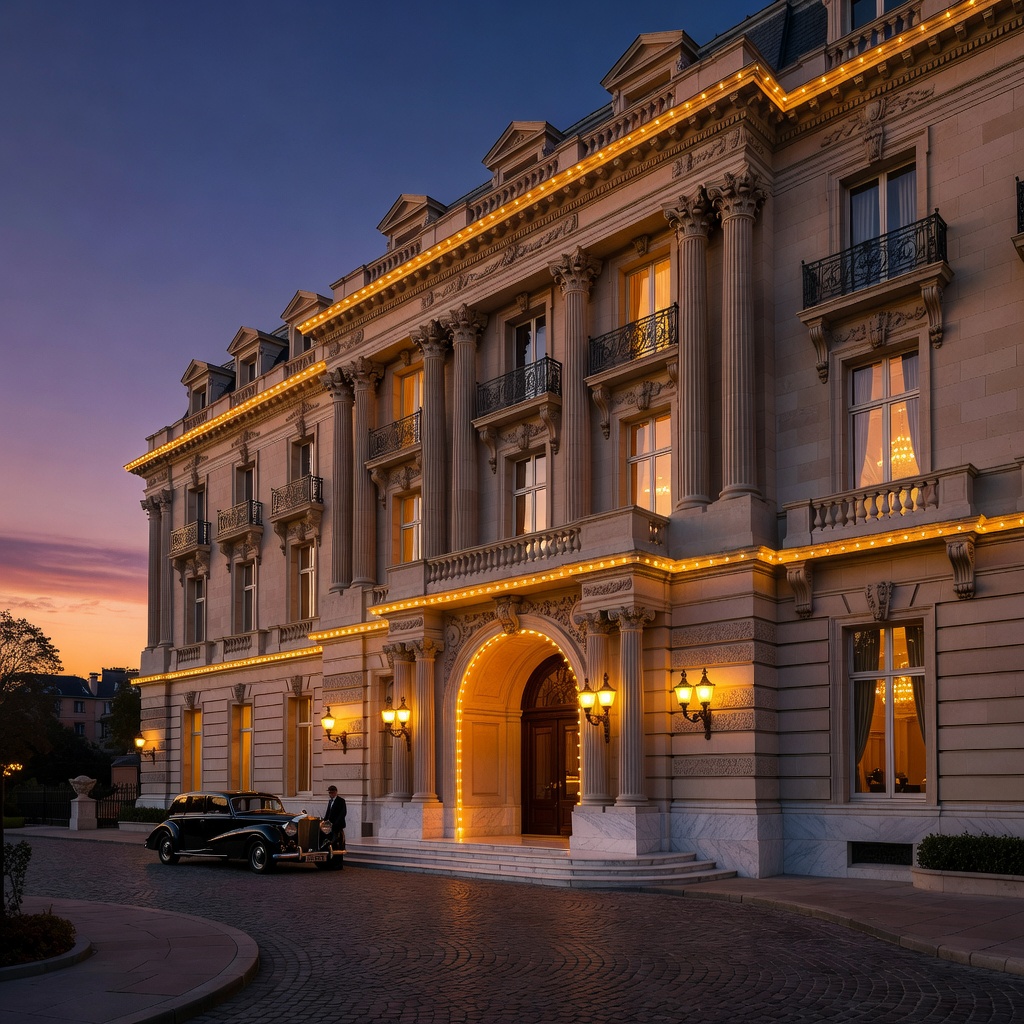
The other end of the spectrum: Michelin dining, marble spa, royal-quarter address.
Open entry 01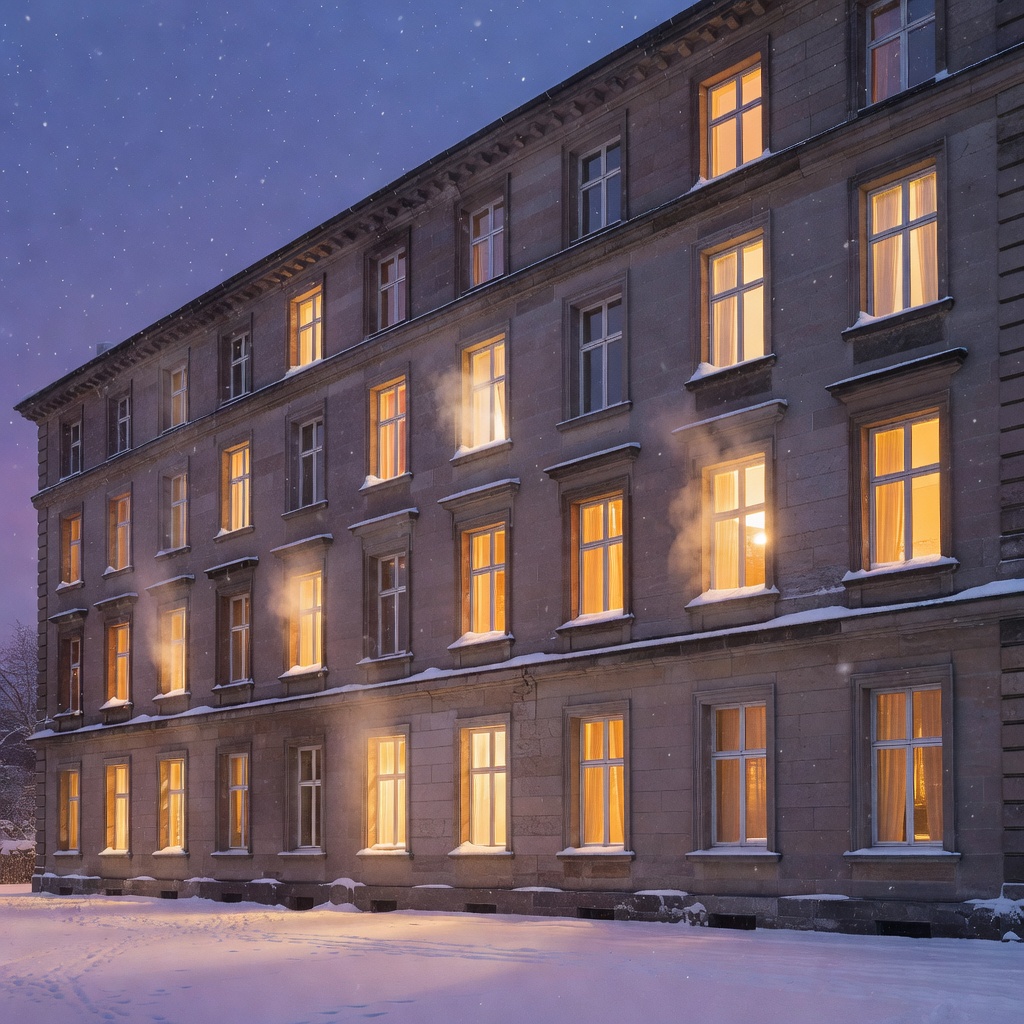
Why the low season — and a heated rooftop pool — is the smart booking.
Read article