Winter in Copenhagen
Seven hours of daylight, candles on every table, and hotel rates a third below summer. The low season is not a compromise — it is the version of the city Danes actually live in.
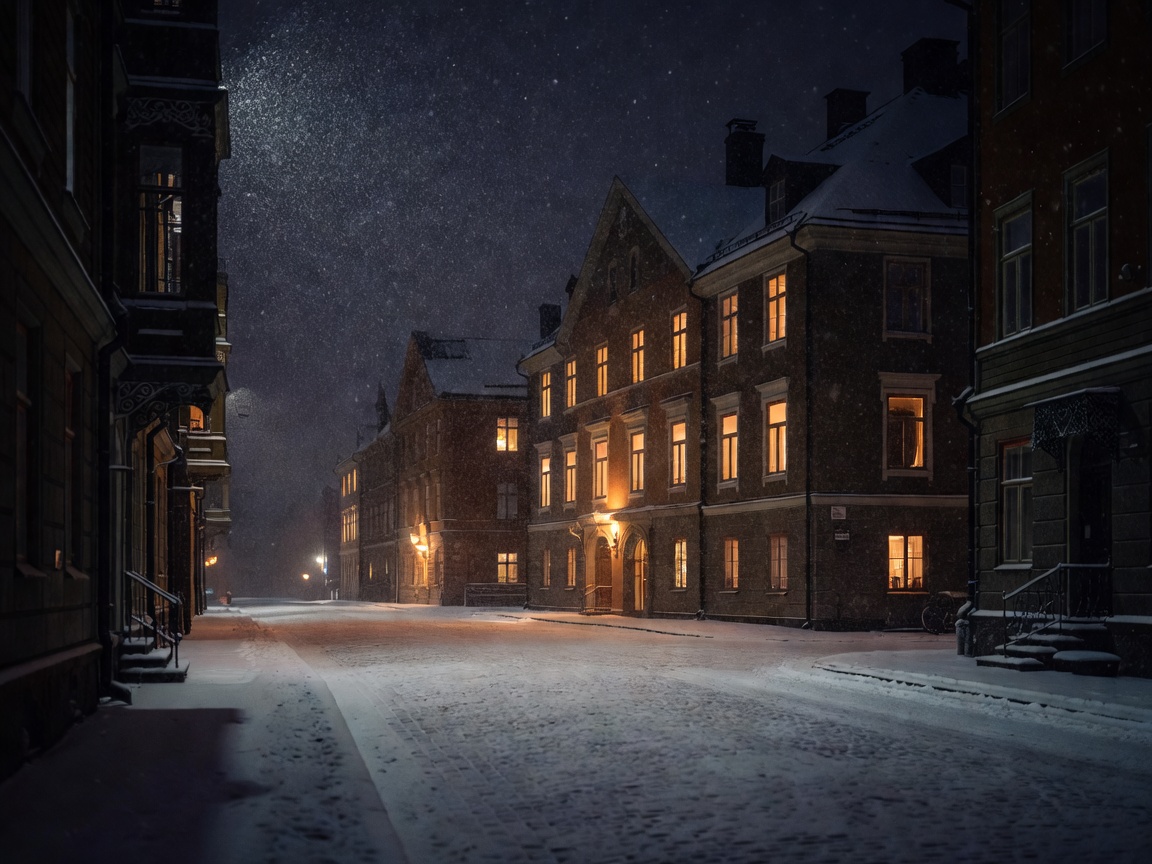
On 21 December the sun rises over Copenhagen at about 08:37 and sets at about 15:38. That is roughly seven hours of daylight, and much of it is the flat grey-blue light that Danish painters spent the nineteenth century trying to reproduce. Most visitors read those numbers and book June instead. They are making a mistake — not because winter is easy, but because winter is when the city is most itself, and because it costs a great deal less.
The economics
Between the second week of January and the end of February, Copenhagen hotel rates fall by roughly thirty to forty per cent against June and July. On our five entries that means Villa Copenhagen can dip under DKK 1,300, Herman K around DKK 1,400, and even Hotel d'Angleterre becomes a plausible two-night indulgence rather than a lottery win. Restaurants that require three months' notice in summer will seat you on a Tuesday. Museums are empty on weekday mornings.
The exception is the first three weeks of December, when Christmas markets, Tivoli's illuminations and the corporate party season push rates back to summer levels. If value is the objective, arrive after 6 January.
Structuring a winter day
Because daylight is short, invert the normal city-break rhythm:
- 08:00–09:30 — Breakfast slowly. This is the one trip where a proper hotel breakfast earns its price. It is dark outside anyway.
- 09:30–15:00 — Be outside during the light. Walk the harbour, do the canal side of Christianshavn, cross the bridges. Save the museums for the dark hours, not the bright ones.
- 15:00–17:00 — Museums and indoor architecture. Designmuseum Danmark, the Glyptotek's winter garden, the National Museum, the Royal Library's Black Diamond reading rooms.
- 17:00–18:30 — Sauna or spa. See below.
- 18:30 onwards — Eat early, as Danes do. Candlelit rooms, heavier food, aquavit if you are committed.
Water and heat
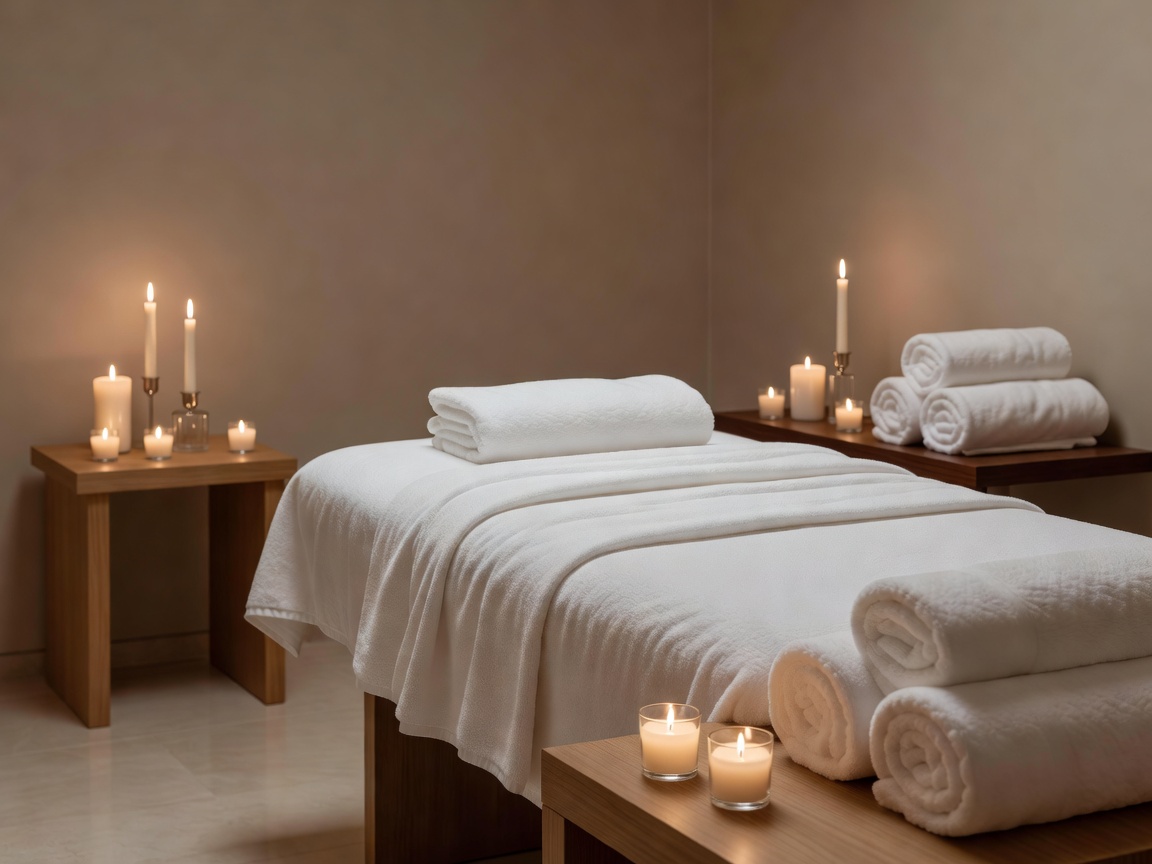
Danish winter bathing is a real and growing habit: harbour saunas along the waterfront run through the coldest months, and the routine — fifteen minutes of dry heat, ninety seconds in four-degree harbour water, repeat — is genuinely transformative on a grey afternoon. Book a slot in advance; the popular ones fill.
If that sounds extreme, the hotel version is easier. Villa Copenhagen's rooftop pool is heated and open all year, which means swimming outdoors in February with steam rising off the surface. Nobis has a sauna; d'Angleterre has an indoor pool and spa. Three of our five entries solve the winter afternoon for you without leaving the building.
Weather, honestly
Copenhagen winters are milder than the latitude suggests — the average January daytime temperature sits around 1–3°C, and heavy snow is occasional rather than routine. What defines the season is wind and damp. The wind comes off the Øresund and finds every gap in your clothing; the rain is fine and persistent rather than dramatic.
Pack accordingly:
- A properly windproof outer layer with a hood — more useful than a thick coat.
- Waterproof shoes with grip. Cobbles plus drizzle equals ice at night.
- Merino base layers; indoor heating is efficient, so you want to shed layers easily.
- Gloves, a hat and a scarf. Danes are not being decorative.
- A small umbrella is optional; in wind it is a liability.
What is open, what is not
Tivoli operates a Christmas season through December and then closes until spring, reopening around early April, with a short Winter season in February in most years — check the current calendar before planning around it. Harbour swimming platforms are open but unlifeguarded in winter. Boat tours run a reduced schedule. Everything indoors — museums, galleries, shops, restaurants — runs normally, and the city's cafés are at their best precisely because everyone is inside them.
Three winter days, planned
- Day one: arrive, breakfast late, walk Nyhavn to Amalienborg to the Marble Church, Designmuseum in the afternoon, early dinner in the theatre quarter.
- Day two: Torvehallerne market at ten, cross to Christianshavn, climb Vor Frelsers Kirke if open, harbour sauna at four, casual dinner in Vesterbro.
- Day three: Glyptotek and its palm-filled winter garden, lunch of smørrebrød, an hour in the hotel pool or sauna, one serious dinner booked in advance.