A Design District Walk
Kongens Nytorv to Refshaleøen · 7.4 km · Eleven stops · Allow six hours with stops, or three if you walk it straight
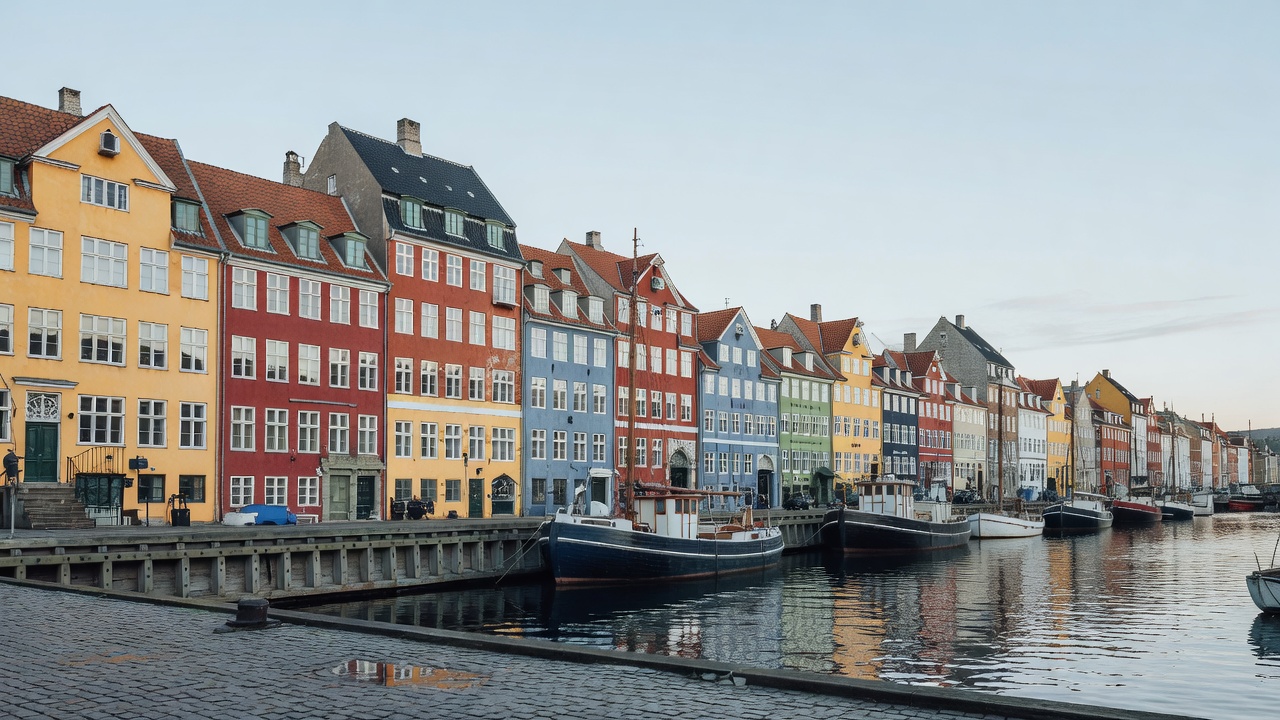
Copenhagen rewards walking more than almost any other European capital of its size. The centre is flat, the pavements are wide, the cycle lanes take the aggression out of the traffic, and nothing in the historic core is more than half an hour from anything else. This route is the one we give to friends who have a single full day and want to understand what the city looks like rather than tick off a list.
It runs from Kongens Nytorv — the square in front of Hotel d'Angleterre — north up the design street, across to the harbour, over the bridges into Christianshavn, and out to the old shipyard island of Refshaleøen. If you are staying at Villa Copenhagen or Nobis, add twenty minutes at the start by walking up through the old town.
Stop 1–3 · Kongens Nytorv, Bredgade, Amalienborg
Begin in the square. Look at the way the Royal Danish Theatre, Charlottenborg and the hotel frame the space, then walk north-east along Bredgade. This is the old aristocratic street and it now holds a run of design galleries and furniture showrooms; it is also where you will find Designmuseum Danmark in a former eighteenth-century hospital — an hour inside its chair corridor explains more about Danish taste than any amount of shopping.
Cut right to Amalienborg, the four rococo palaces around an octagonal courtyard. Stand on the axis and you can see the Marble Church one way and the Opera House across the water the other. Timing note: the changing of the guard happens around midday.
Stop 4 · The first coffee
Turn back towards the water at Sankt Annæ Plads and pick up coffee before crossing. Copenhagen's café standard is high and consistent; what you are looking for is a filter brew and a cardamom knot. Take it outside — the harbour promenade begins here.
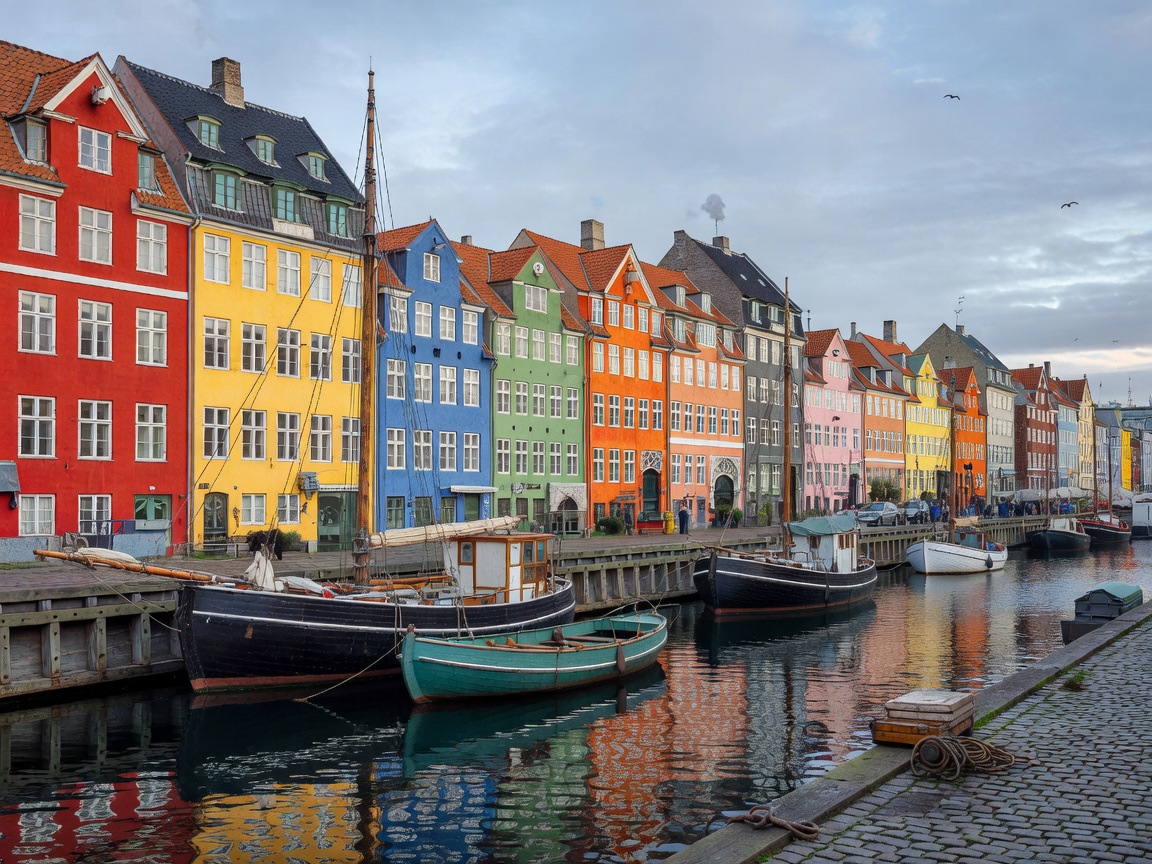
Stop 5–6 · Nyhavn and Inderhavnsbroen
Nyhavn is the picture everyone takes, and it is still worth ten minutes at the top end where the tour boats gather. Then keep walking to the Inner Harbour Bridge — the low, sliding pedestrian and cycle crossing locals nicknamed "the kissing bridge" — and cross to Christianshavn. This is the moment the walk changes gear: you leave the tourist density behind within ninety seconds.
Stop 7–8 · Christianshavn canals and Christiania
Christianshavn was laid out in the seventeenth century as a fortified merchant quarter and still has the ramparts, the canals and the houseboats. Walk down Overgaden Neden Vandet with the water on your right. The spiral tower of Vor Frelsers Kirke is the landmark; the external staircase is climbable in season and gives the best low-level view of the city's rooftops.
Beyond it is Christiania, the self-governing community founded in an abandoned military barracks in 1971. Photography is restricted in parts and the rules are posted — respect them. Walk through, look at the self-built houses along the lake, and come out on the eastern side.
Stop 9 · Lunch on the way out
By now you will have walked around five kilometres and it will be roughly one o'clock. Eat here rather than pushing on hungry: Christianshavn has good bakeries and casual kitchens, and the queues are shorter than in the centre. Our dining notes are in New Nordic, Realistically.
Stop 10–11 · Refshaleøen and the harbour baths
The last leg takes you north-east to Refshaleøen, the island where Burmeister & Wain built ships until 1996. The halls are now home to studios, climbing walls, street-food markets, a contemporary art space and — in summer — one of the best harbour bathing spots in the city. The water in Copenhagen harbour has been swimmable since the early 2000s; if you are here between June and August, bring a towel and use it.
To get back: the harbour bus (a public boat on the city transport ticket) runs from the quay and returns you to the Royal Library or Nyhavn in fifteen minutes with a free harbour cruise thrown in. That, not a taxi, is the correct end to the day.
Practical notes
- Surfaces: cobbles in the old town and Christianshavn. Wear shoes you can do 12,000 steps in.
- Weather: Copenhagen rain is usually light and horizontal. A hood beats an umbrella because of the wind off the harbour.
- Transport fallback: a 24-hour city pass covers Metro, bus, S-train and the harbour buses. The Metro runs 24 hours.
- Cycling alternative: the same route by bike takes about ninety minutes of pedalling. Keep right, signal with your arm, and never stop in a cycle lane.
- Winter version: cut the route at Christianshavn and take the Metro back; the Refshaleøen leg is exposed and bleak in a February wind.