New Nordic, Realistically
How to eat well in Copenhagen without a three-month reservation, a second mortgage, or a 21:45 table forty minutes from your hotel.
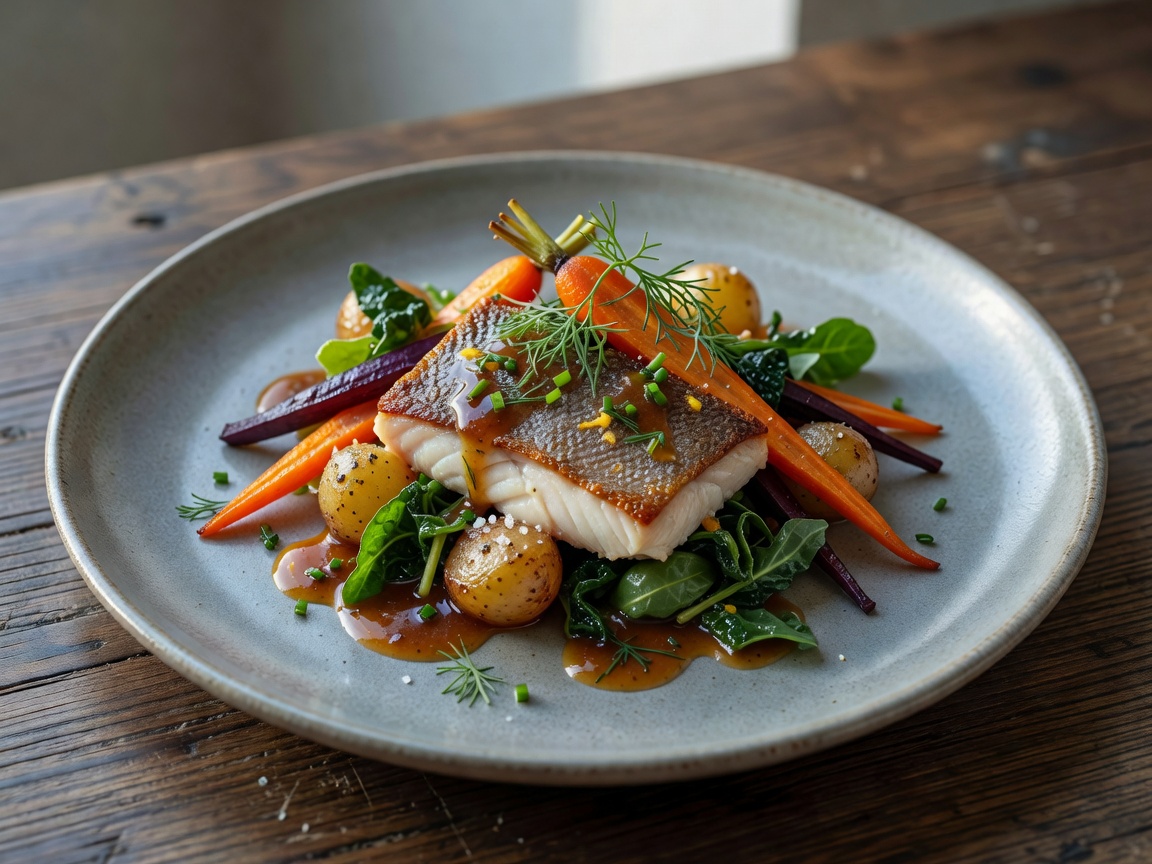
Copenhagen's reputation for food is deserved and slightly misleading. The famous restaurants are genuinely extraordinary and they are also a tiny fraction of what the city does well. Underneath the tasting-menu layer there is a dense, reliable middle: bakeries that open at six, smørrebrød counters that have been doing the same four toppings since the 1950s, natural wine bars with one hot dish, and neighbourhood kitchens where a very good plate costs 180 kroner.
This guide is organised by walking distance from the five hotels, because after a day outside nobody wants a cross-city journey to dinner. It also contains the four rules that keep a Copenhagen food budget under control, which is the part most guides leave out.
Four rules
- Eat your big meal at lunch. Many ambitious kitchens serve a shortened lunch menu at a fraction of dinner prices. The cooking is the same.
- Treat the bakery as a meal. A rye bun, a cardamom knot and a filter coffee is a legitimate Danish breakfast and costs less than a hotel buffet.
- Book the one restaurant that matters, walk in everywhere else. Reserve a single anchor dinner months ahead; leave the rest of the trip loose and use the 17:30 seating.
- Tap water is free and excellent, and service is included. Rounding up is normal; a fifteen per cent tip is not expected.
From Hotel d'Angleterre and Hotel Sanders — the theatre quarter
This is smørrebrød country. The classic lunch cellars around Nyhavn and Gammel Strand still serve open rye sandwiches in the traditional sequence: herring first with a snaps, then fish, then meat, then cheese. Order three pieces per person, not five, and do not skip the pickled herring because it sounds difficult — it is the best thing on the board.
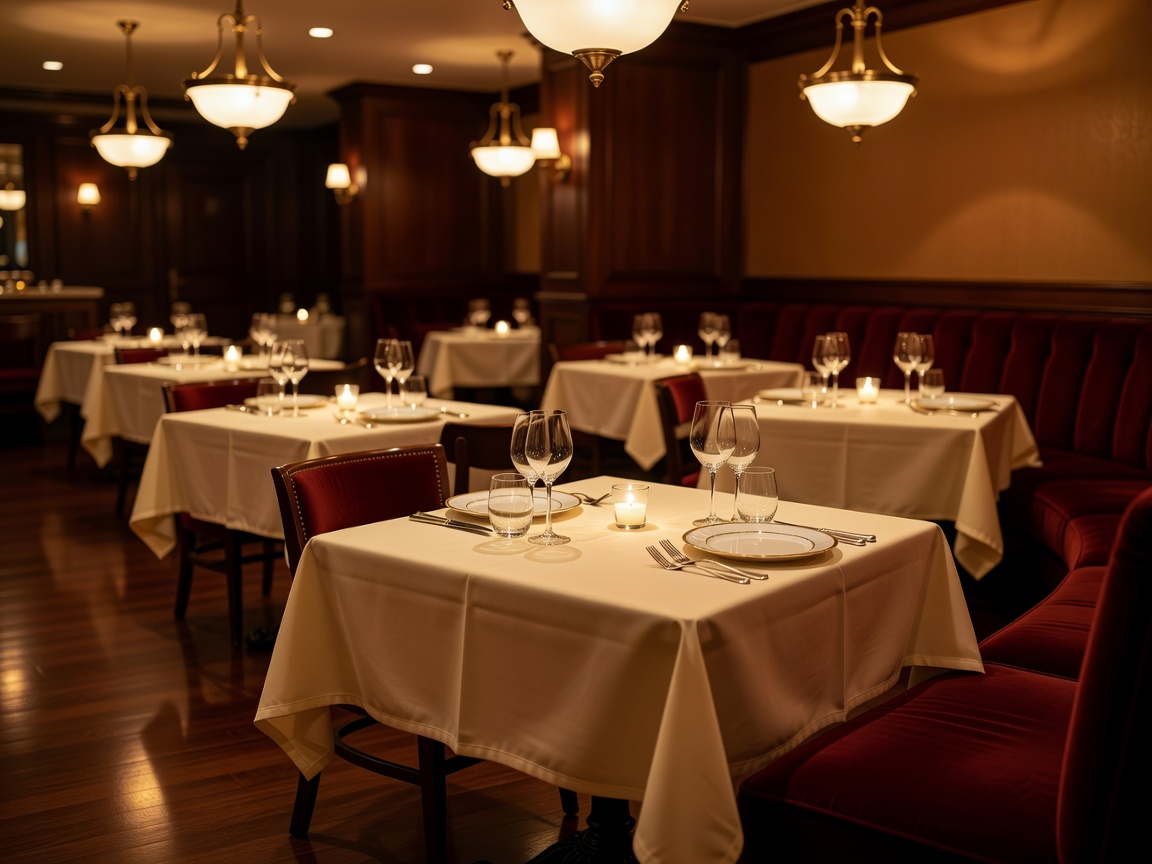
For the evening, the streets behind the theatre hold a cluster of small wine bars where the format is a blackboard, six open bottles and a short menu of things cooked in one pan. Walk in at six; by eight the rooms are full. Marchal, inside entry 01, is the formal option and takes non-residents.
From Hotel Herman K — the old town
Ten minutes north is Torvehallerne, the covered market at Nørreport: two glass halls holding fishmongers, a smørrebrød counter with a queue that moves, coffee, cheese and the best single place in the city to assemble a picnic. Go before noon.
South and west, towards Christiansborg, the canal-side kitchens do a lunch that is more contemporary than traditional — grilled fish, root vegetables, buttermilk, dill. Evening options within five minutes of entry 04 include a good ramen counter, a Basque-influenced small-plates room and two natural wine bars that stay open past midnight. This is the easiest hotel on the list for spontaneous eating.
From Villa Copenhagen — Vesterbro and the Meatpacking District
Entry 03 is the best-placed hotel here for a food-led trip. Kødbyen, the former meatpacking district, is a ten-minute walk and holds a dense run of restaurants, bars and a fish kitchen inside the old white halls. Istedgade and the streets behind it have the bakeries, the coffee, the wine shops and the neighbourhood kitchens Copenhageners actually use on a Wednesday.
The ground-floor bakery at the hotel itself does sourdough and pastries from early; between that and a 20-minute walk radius you could eat in Vesterbro for a week without repeating yourself.
From Nobis Hotel Copenhagen — the Tivoli side
Tivoli's own restaurant collection is better than an amusement park has any right to be, and it is open to non-visitors through some entrances — check the current arrangement at the gate. Outside the gardens, walk five minutes towards the canals for the National Museum's neighbourhood: classic Danish lunch, good coffee, and a run of places that serve until 22:00, which is later than most of the centre.
The famous ones
If you want a destination tasting menu, book the moment reservations open — typically two to three months ahead, released in batches, often at a fixed time on a fixed day. Take the earliest seating you are offered rather than waiting for a "better" slot, be honest about dietary requirements at the point of booking rather than at the table, and expect three to four hours. Prices for the top tier run from roughly DKK 1,800 to DKK 4,500 per person before wine.
If you miss the window, look for the same kitchens' casual second restaurants — almost every celebrated Copenhagen chef now runs a bakery, a wine bar or a sandwich counter, and those are frequently walk-in.
Timing, tipping and practical notes
- Danish dinner starts early. A 18:00 booking is normal; many kitchens close their last orders at 21:00–21:30.
- Sunday and Monday closures are widespread. Plan your anchor meal for Wednesday to Saturday.
- Cards are universal; cash is close to obsolete. Carry none if you prefer.
- Service is included by law. Rounding up or leaving five per cent for exceptional service is generous, not expected.
- Almost every restaurant handles vegetarian requests well with notice; vegan tasting menus exist at several high-end kitchens but must be requested at booking.